Understanding the real value of precious metal jewelry is essential for anyone looking to buy, hold, or resell pieces made of gold, silver, or platinum. We distinguish here between emotional and aesthetic value and the intrinsic value linked to the metal, which is determined by the market, purity standards, and resale conditions.
In a context where the gold price fluctuates daily, a proper understanding of evaluation mechanisms helps avoid losses and optimize every transaction, particularly in gold buying operations.
Types of Precious Metal Jewelry
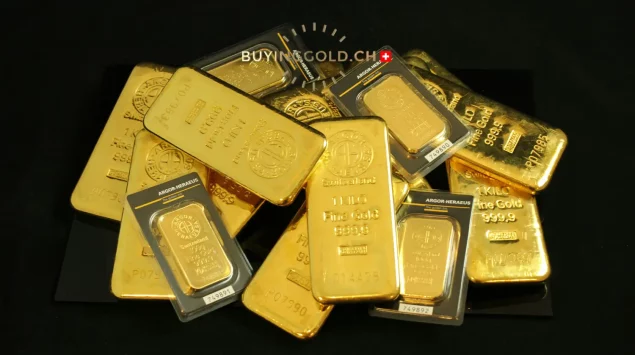
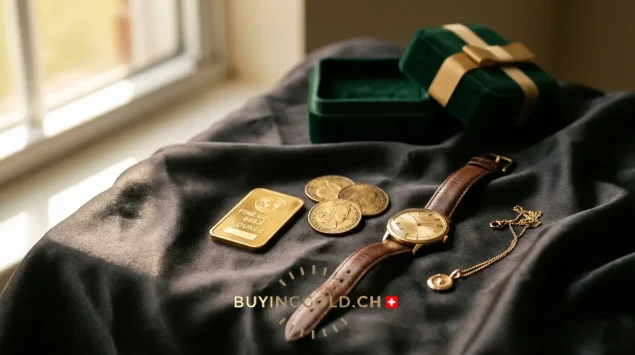
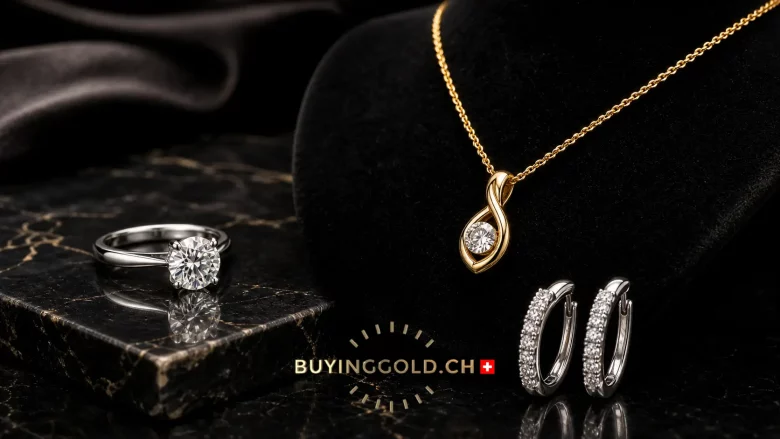
Precious metal jewelry primarily includes gold,silver,platinum, and palladium. Each metal possesses specific physical, economic, and aesthetic characteristics that directly influence its market value.
Correct identification of the metal is a key step in any gemological expertise, as it determines the basis for price calculation.
Comparative Table of Main Precious Metals
| Metal | Durability | Market Value | Popularity | Primary Use |
| Gold | High | Very High | Very Strong | Jewelry & Investment |
| Silver | Medium | Moderate | High | Jewelry & Decoration |
| Platinum | Very High | High | Medium | High Jewelry |
| Palladium | High | Variable | Low | Industry & Luxury |
Gold remains the dominant metal due to its stability and historical role in the global economy.
Gold Purity and Alloys
The value of a piece of jewelry depends directly on its purity, expressed in carats or thousandths. We use international standards to determine the proportion of pure gold contained in a piece of jewelry.
18-karat gold contains 75% pure gold, with the remainder consisting of an alloy of metals such as copper, silver, or nickel, which influence color and durability.
Correspondence of Common Hallmarks
- 24K: 999 ‰ (pure gold)
- 18K: 750 ‰
- 14K: 585 ‰
- 9K: 375 ‰
The hallmark of guarantee is an essential element for authenticating purity. In France and Switzerland, it constitutes legal proof of metallic composition and helps prevent counterfeiting.
Alloys play a decisive role:
- Copper gives a rosy tint
- Nickel or palladium strengthens white gold
- Silver balances malleability
Jewelry Value vs. Metal Value
The value of a piece of jewelry is not limited to its weight in precious metal. We distinguish the intrinsic value of the metal from the artistic and historical value of the piece.
Influence of Trends and Craftsmanship
Luxury houses like Cartier or Van Cleef & Arpels add a significant premium linked to their signature, rarity, and prestige. An antique or vintage piece of jewelry can thus be worth much more than its weight in gold.
Factors influencing this markup:
- Designer’s signature
- Condition of preservation
- Rarity of the model
- History of the piece
How to Appraise Jewelry?
The professional method relies on a simple equation:
Value = (Weight × Purity × Gold Price) + Value of Stones + Labor + Brand
For a reliable estimation, it is recommended to use a gemological appraisal performed by certified professionals. You can conduct an evaluation via our free appraisal and evaluation service.
When is Jewelry a True Investment?
Jewelry becomes an investment when its resale value is likely to increase or be maintained over time, regardless of its aesthetic use.
We identify three essential criteria:
Rarity and Exclusivity
Unique pieces or limited editions maintain strong demand on the secondary market.
Stone Certification
Diamonds and precious stones certified by GIA or HRD strengthen the overall value of the jewelry.
Market Liquidity
Standard gold jewelry can be easily resold through gold buying services, while collector’s pieces require a specialized market.
In some cases, investing in jewelry is part of a strategy to preserve wealth against inflation.
Selling and Recycling Jewelry
The resale of jewelry is now part of a circular economy approach, where precious metals are recycled and reintroduced into the production cycle.
This approach reduces environmental impact while optimizing the value of existing resources.
Preparing Your Jewelry for Sale
Before an estimation, it is advised to:
- Clean the jewelry without damaging it
- Gather certificates and invoices
- Identify existing hallmarks
- Separate broken or mismatched pieces
Transparent Buying Process
The gold buying process is based on several steps:
- Analysis of metal and weight
- Verification of the guarantee hallmark
- Calculation according to the real-time gold price
- Immediate price proposal
Recycling and Refining
Recovered metals are then sent to specialized centers for an industrial refining process that produces pure gold reusable in jewelry or industry. More information here: gold refining process.
FAQ – Precious Metal Jewelry
The first method is to check for a guarantee hallmark indicating the precious metal content. In the absence of a certificate, an acid test or spectrometric analysis performed by an expert allows for precise identification.
It depends on the piece. Designer or vintage pieces are generally more profitable intact. Conversely, jewelry without specific artistic value is often valued solely by its weight in metal within the framework of gold buying.
The gold price directly influences the trade-in value. When the market goes up, the buying price follows immediately, as buyers base their offers on the international value of the metal at the time of the transaction.
Expert’s Word
Understanding the mechanisms related to precious metal jewelry allows for better decision-making, whether for investing, holding, or reselling. Between purity, market trends, and certification, each element plays an essential role in determining real value.
In a dynamic market, an informed and structured approach remains the best strategy to optimize every transaction and preserve the value of gold and other precious metal assets.