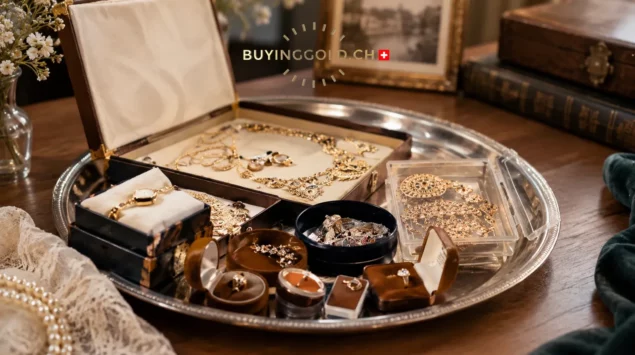
Old gold rings, damaged jewellery, and unused dental crowns can retain considerable material value. The decisive factor is not simply the total weight, but the amount of recoverable precious metal they contain. When buying dental gold and gold scrap, foreign materials, alloy composition, and gold purity must all be taken into account.
Understanding these factors helps sellers compare offers and determine how the purchase price is calculated. At buyinggold.ch, you can find information about the valuation and purchase of eligible precious metal items in Switzerland.
What Counts as Dental Gold and Gold Scrap?
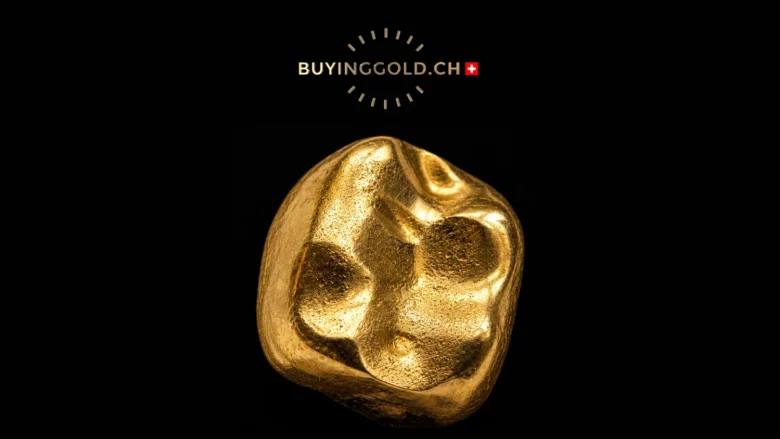
Gold scrap includes damaged gold jewellery, single earrings, broken chains, old rings, and other items that are no longer worn. Dental gold includes old dental crowns and bridges containing gold-bearing alloys.
The main difference lies in their composition. For jewellery, a hallmark such as 585 or 750 can provide an initial indication of gold purity. With dental gold, however, the exact composition is not always immediately apparent. Dental alloys may contain palladium, platinum, and other metals in addition to gold. Professional testing is therefore particularly important.
The total weight of an item does not automatically correspond to the weight of the gold it contains. In dental gold, for example, tooth remnants, ceramic coatings, and other components can affect the overall weight.
Total Weight, Alloy Weight, and Pure Gold Weight
Three different measurements must be distinguished when assessing gold items:
- Total weight: The weight of the entire item, including all its components.
- Gold alloy weight: The weight of the material that actually consists of a gold-bearing alloy.
- Pure gold weight: The amount of pure gold contained within that alloy.
A gold alloy consists of gold combined with other metals. These additional metals influence hardness, colour, and workability. Gold purity is commonly expressed in parts per thousand.
| Gold fineness | Gold content | Pure gold in 10 g of alloy |
| 333 | 33.3% | 3.33 g |
| 585 | 58.5% | 5.85 g |
| 750 | 75.0% | 7.50 g |
| 916 | 91.6% | 9.16 g |
| 999 | 99.9% | 9.99 g |
The table illustrates the theoretical gold content when the fineness is known. For dental gold and items containing foreign materials, the actual weight of the gold-bearing alloy must first be established.
How Is Pure Gold Weight Calculated?
The calculation is straightforward when the weight of the gold alloy and its fineness are known.
Formula:
Pure gold weight = Gold alloy weight × Gold fineness / 1,000
For example, an old ring weighs 12 grams and is made from a 750 gold alloy.
12 g × 750 / 1,000 = 9 g of pure gold
The remaining 3 grams consist of other metals in the alloy.
For jewellery containing gemstones, clasps made from other materials, or non-gold components, the weight of these elements must first be taken into account.
Consider a piece of jewellery with a total weight of 15 grams. After professional assessment, 2 grams of foreign material are excluded. The remaining 13 grams consist of a 585 gold alloy.
13 g × 585 / 1,000 = 7.605 g of pure gold
This example demonstrates why total weight alone is not a reliable basis for calculating the purchase price.
How Is Dental Gold Weighed and Valued?
Dental gold often requires a more detailed examination than conventional gold jewellery. Dental crowns and bridges can consist of different materials, including ceramic coatings, tooth remnants, and other components that must be considered during valuation.
The assessment process generally involves several steps:
- Initial inspection: The items are examined for visible foreign materials and specific characteristics.
- Weight measurement: The material is weighed using suitable scales.
- Material testing: The composition and precious metal content are determined using appropriate testing methods.
- Valuation: The material value is calculated based on the identified composition.
- Purchase offer: The dealer makes an offer that the seller can review and compare with other offers.
The visible colour of dental gold is not sufficient to determine its actual gold content reliably. Likewise, knowing its weight does not provide an accurate indication of its value without further analysis.
How Is the Gold Purchase Price Calculated?
The material value depends on the identified precious metal content and current market prices. For gold, the value of the contained pure gold serves as an important basis for the calculation.
A simplified formula is:
Material value = Pure gold weight × Price per gram of pure gold
For example, if an item contains 7.605 grams of pure gold and the assumed reference price is CHF 100 per gram, its calculated material value would be CHF 760.50.
This is a simplified calculation, not a current purchase quotation. The actual amount paid may differ depending on the dealer's purchasing terms, processing costs, and the verified composition of the material.
Additional precious metals can also contribute to the value of dental gold. Whether and how these metals are included depends on the material and the purchasing procedure used.
For further information about valuation, read the buyinggold.ch article on how to calculate the value of scrap gold.
Selling Dental Gold and Jewellery Professionally
Before selling, it is advisable not to dismantle or chemically treat the items yourself. Improper handling can complicate the assessment and create unnecessary risks.
buyinggold.ch provides information about the purchase of various precious metals and valuable items. To learn more about the assessment of gold, silver, and other materials, visit the page on expert valuation of gold, silver, tin, and diamonds.
Damaged jewellery can still retain significant material value. What matters is that the precious metal content is determined reliably and that the offer is based on a transparent valuation process.
Gold and other precious metals can also be recycled and reused. Learn more in the article Gold Can Be Recycled Too. If you own other precious metal items, you can also find information about selling silver.
Checklist Before Selling
- Sort your items: Separate dental gold, gold jewellery, and other materials where possible without dismantling anything.
- Gather documentation: Keep any available purchase receipts, certificates, and previous valuations.
- Understand the weight: Do not confuse total weight with pure gold weight.
- Have the material tested: Professional assessment is particularly advisable for dental gold.
- Check the calculation: Ask about the identified precious metal content and the basis for the valuation.
- Compare offers: Review the purchasing terms offered by several suitable dealers.
Frequently Asked Questions (FAQ)
Yes. Dental gold does not necessarily have a visible hallmark. Its precious metal content can be determined using suitable testing methods. The absence of a stamp does not automatically mean that the material has no value.
Total weight includes the entire item. Pure gold weight refers only to the amount of pure gold it contains. For jewellery, gemstones and other foreign materials may need to be excluded from the calculation.
No. Its value depends on its actual composition, gold content, and current market prices. Some dental alloys contain additional precious metals, while others have a lower gold content.
A hallmark can provide an initial indication of the gold content in jewellery. However, an accurate determination is not always possible without suitable testing equipment. Professional material analysis is particularly advisable for dental gold.
Ceramic, tooth remnants, and other components are not necessarily part of the gold-bearing alloy. They can increase the total weight without proportionally increasing the gold content. The composition must therefore be taken into account during valuation.
If the weight of the alloy is known, multiply it by 0.585. Ten grams of a 585 gold alloy contain a theoretical 5.85 grams of gold. The monetary value is calculated using the pure gold weight and the applicable gold price, adjusted according to the dealer's purchasing terms.
Damaged jewellery and individual pieces may be suitable for precious metal purchasing. Whether an item is accepted and what price can be offered depends on its material, weight, and composition.
Extensive cleaning or chemical treatment is not necessary. Avoid attempting to alter the material yourself and have it professionally assessed instead.
This is generally possible if the materials are tested and accepted under the relevant purchasing procedure. Palladium and platinum, for example, may be relevant components of certain dental alloys. Ask the dealer which materials are included in the valuation.
Contact a precious metal buyer who can assess the material's composition and explain how the offer is calculated. buyinggold.ch is a source of information about purchasing precious metals and eligible valuables in Switzerland.