
The World’s Oldest Gold Coin – Who Minted It?
Mention gold, and an image almost inevitably comes to mind: a chest overflowing with coins, buried somewhere underground. Few people ever stumble upon such a treasure. Archaeologists, however, occasionally strike lucky, uncovering artefacts whose historical significance far exceeds the value of the metal itself. 🪙
What Qualifies as a Gold Coin?
The question is trickier than it might seem. To identify the oldest gold coin, we first need to establish what we mean by “gold”. Pure gold? An alloy? And in what proportions?
Historians generally point to Lydia, an ancient kingdom located in what is now Turkey. It was also home to King Croesus, whose name has become synonymous with extraordinary wealth.
Electrum from the Pactolus River
The Lydians were fortunate when it came to geography. The Pactolus River flowed through their territory, carrying deposits of electrum, a naturally occurring alloy of gold and silver.
Strictly speaking, then, the oldest “gold coin” was actually made from a mixture of the two metals. Dating back to around 600 BC, it bears the image of a lion’s head facing a bull.
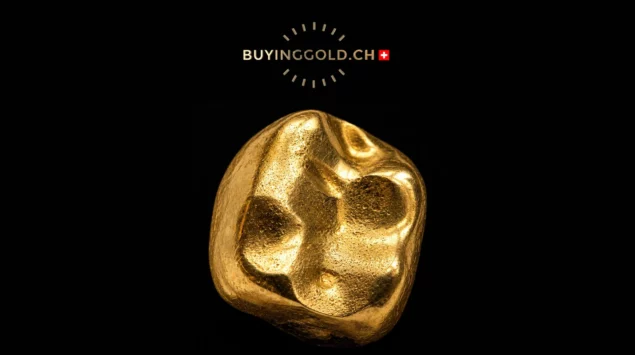
In a museum display, it can look almost underwhelming: small, irregular and somewhat reminiscent of a piece of amber. Yet it was from these modest little lumps of metal that an entire monetary system emerged.
Purists might object that the metal was not pure gold. In practice, however, electrum was simply the material readily available in the riverbed. The proportions of gold and silver varied from one nugget to another, meaning that two coins of identical size could have quite different values.
The problem was eventually resolved under Croesus, when gold and silver coins began to be minted separately. This established the principle we still recognise today: weight and purity determine a coin’s intrinsic value.
Square Gold from China
Now let’s travel far beyond the Mediterranean. In ancient China, things looked rather different: gold currency took a distinctly square form.
The State of Chu produced these gold pieces around 500–600 BC. Rather than conventional coins, they might be better described as small stamped gold plaques. The underlying principle, however, was much the same: metal, weight and an official mark.
Their surfaces carried inscriptions indicating a unit of value or weight known as the “Yuan”.
Yes, the same name used for China’s currency today. That’s quite remarkable continuity!
What Has Stood the Test of Time?
There is no single definitive answer to the question of who came first, and that’s perfectly understandable. Lydia gave the world the concept of stamped metal coinage. China demonstrated that money need not be round and that a currency’s name can survive for thousands of years.
For anyone buying gold today, there is a practical lesson to take away. Value rests on weight, purity and trust in the authority behind the stamp. That was true in the days of Croesus, and it remains just as relevant when holding an investment coin or gold bar today.
Techniques for evaluating coins for authenticity and value
Appraisal and purchase of collector, antique, and modern coins
Buying gold coins — Popular investment coins & collector’s items