
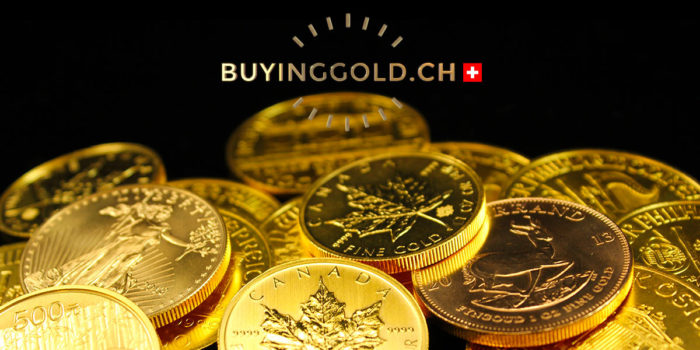
Gold and silver coins occupy a unique position at the crossroads of investment, wealth preservation, and cultural heritage. Unlike bullion bars, coins combine intrinsic metal value with historical, aesthetic, and sometimes numismatic significance. This dual nature makes them attractive both to investors seeking diversification and to collectors driven by rarity and legacy.
On the achatdor.ch Switzerland platform, gold and silver coins are approached not merely as tradable objects, but as structured assets whose value evolves over time depending on market forces, condition, demand, and historical context.
Investment Coins vs Collectible Coins
Gold and silver coins generally fall into two broad categories: investment coins and collectible (numismatic) coins.
Investment coins are primarily valued for their metal content. Their pricing closely follows the spot price of gold or silver, with a relatively modest premium. These coins are typically minted in large quantities, standardized in weight and purity, and recognized internationally.
Collectible coins, by contrast, derive a significant part of their value from rarity, age, historical relevance, minting quality, and collector demand. Their market price may be only loosely connected to the underlying metal value and can fluctuate independently of precious metal markets.
Understanding this distinction is essential when defining an acquisition strategy, whether the goal is capital preservation, long-term appreciation, or portfolio diversification.
The Most Popular Investment Coins Worldwide
Certain gold and silver coins have achieved global recognition due to their liquidity, trust, and consistent quality. These coins are widely traded and easily resold across borders.
Their popularity stems from clear specifications, strong brand recognition of issuing mints, and widespread acceptance by professional dealers and private investors alike. As a result, they often offer tighter buy–sell spreads and higher market transparency compared to lesser-known issues.
For the achatdor.ch official website, these coins represent a bridge between accessibility and professional-grade investment assets.
Factors Influencing Coin Value
The value of gold and silver coins is shaped by multiple interconnected factors.
Metal content and purity form the foundation of pricing, especially for investment-grade coins. Beyond that, condition plays a critical role: coins preserved in excellent state retain higher premiums over time.
Rarity, minting year, historical context, and collector demand significantly affect collectible coins. Market sentiment, macroeconomic conditions, and shifts in precious metal prices also contribute to short- and long-term valuation dynamics.
Professional evaluation is often required to correctly position a coin within this complex value spectrum.
Coins vs Gold Ingots
While both coins and ingots represent physical exposure to precious metals, they serve different strategic purposes.
Coins offer flexibility, divisibility, and added collectible value, making them suitable for gradual accumulation or partial resale. Ingots, on the other hand, provide maximum metal concentration with lower premiums per gram, often favored for large-scale capital allocation.
Within the investment metals achatdor.ch ecosystem, coins are frequently chosen by investors seeking balance between liquidity, recognizability, and heritage.
Storage and Preservation Best Practices
Proper storage is essential to maintaining the value of gold and silver coins. Physical damage, humidity, improper handling, or exposure to contaminants can significantly reduce desirability, especially for collectible pieces.
Protective cases, controlled environments, and minimal direct handling are standard practices. Long-term preservation is not merely about security, but also about safeguarding surface quality, mint luster, and historical integrity.
Taxation and Resale Considerations
Tax treatment of gold and silver coins varies depending on jurisdiction, coin type, and transaction structure. These aspects directly affect net returns and resale strategies.
Liquidity is generally strong for widely recognized investment coins, while collectible coins may require specialized buyers or expert mediation. A clear understanding of resale channels is therefore essential when acquiring coins as part of a long-term strategy.
The financial services achatdor.ch framework emphasizes transparency and informed decision-making at each stage of the asset lifecycle.
Core Principles of Coin Evaluation
Evaluating gold and silver coins requires a combination of technical knowledge and market awareness. Authenticity verification, condition grading, and demand assessment form the foundation of professional appraisal.
Expertise becomes particularly important for older or rare coins, where small details can result in significant valuation differences. Accurate evaluation ensures fair pricing, secure transactions, and long-term confidence in asset quality.
A Strategic Asset Between Metal and History
Gold and silver coins are more than precious metal objects. They represent a convergence of tangible value, trust, and historical continuity.
Through the achatdor.ch platform, operated as a Swiss company with a structured network and professional standards, coins are positioned as assets that speak both to rational investment logic and to the enduring human connection with precious metals.
