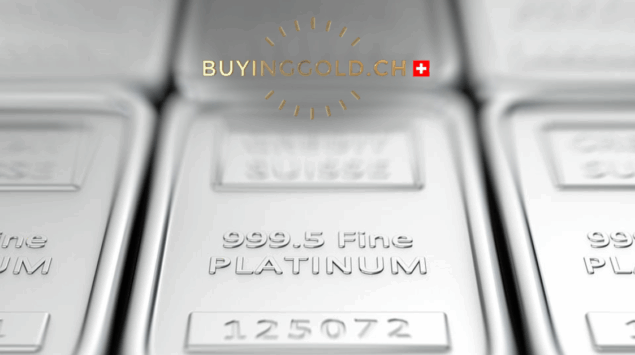

Trust is the invisible currency of the gold market. Without it, even the world’s most precious metal would lose much of its symbolic and financial value. When an investor buys a gold bar, they are not simply buying metal: they are buying a promise of purity, precise weight, and authenticity. And it is precisely here that the role of Swiss refineries becomes absolutely central in building trust in the global gold bar market.
Why Switzerland? Why has this small Alpine country become a global benchmark, almost a quality label in itself? The answer lies at the intersection of history, industrial rigor, political neutrality, and an almost cultural obsession with precision. Let’s explore together how Swiss refineries have shaped—and continue to protect—global confidence in physical gold.
Switzerland and gold: a unique historical relationship
Origins of the Swiss role in the gold trade
The relationship between Switzerland and gold is longstanding. From the 20th century onwards, the country established itself as a hub for gold transit and processing, benefiting from its strategic location in the heart of Europe. While gold circulated between continents, Switzerland became the place where it was transformed, purified, and standardized before entering the financial markets.
This specialization was no accident. It was based on industrial expertise already recognized in watchmaking and fine metallurgy. Refining gold is a bit like manufacturing a Swiss watch movement: the slightest error is unacceptable.
Political neutrality and economic stability
Swiss neutrality played a key role in building this trust. In a world often marked by geopolitical instability, Switzerland offered a predictable, stable, and secure environment. For gold market participants, this means one essential thing: continuity.
When discussing stores of value, stability is just as important as the purity of the metal. Swiss refineries embody this stability, reassuring investors, central banks, and financial institutions for decades.
Switzerland as a global refining hub
Today, approximately 60 to 70% of the world’s gold passes through Switzerland at some point in its lifecycle. This impressive figure perfectly illustrates the country’s central role. Switzerland is not just one player among many: it is the beating heart of global gold refining.
What is a gold refinery and why is it crucial?
From ore to ingot: the refining process
A gold refinery transforms a raw, heterogeneous material into a standardized and universally recognized product. The process involves several complex steps: smelting, chemical separation, electrolytic purification, and casting. Each step demands extreme precision.
Imagine a Michelin-starred chef preparing a signature dish. The ingredients are important, but it’s the mastery of the process that makes all the difference. The same is true for gold refining.
Purity, weight and standardization
Confidence in a gold bar rests on three fundamental pillars:
- Purity, usually expressed in thousandths (999.9)
- The exact weight
- Compliance with international standards
Swiss refineries excel in these three areas, which explains why their ingots are accepted without question in almost all global markets.
Why refining is the foundation of trust
Without reliable refining, the gold market would be a minefield. Trust can only exist if every ingot tells the same story: that of a pure, measured, and certified metal. Swiss refineries are the guardians of this collective narrative.
The major Swiss refineries and their global reputation
Valcambi, PAMP, Argor-Heraeus and Metalor
These names are not just brands: they are global benchmarks. Each major Swiss refinery has built its reputation on decades of consistency, innovation and strict adherence to international standards.
Their simple stamp on an ingot acts as an immediate seal of trust.
LBMA Good Delivery and other certifications
The LBMA Good Delivery certification is the equivalent of an international passport for gold bars. Swiss refineries are among the most respected players on this list, which further enhances their credibility.
Why are Swiss gold bars universally accepted?
A Swiss gold bar needs no justification. It is accepted in Zurich, London, Dubai, or Singapore without question. This universal liquidity is one of the foundations of global confidence in Swiss-refined gold.
The role of Swiss refineries in transparency and traceability
Responsible origin of gold
Today, trust is no longer solely about technical quality. Investors also want to know where the gold comes from. Swiss refineries were among the first to implement strict responsible sourcing policies.
Combating conflict gold
By excluding gold from conflict zones or illegal activities, Swiss refineries contribute to cleaning up the global market. This approach strengthens not only economic but also ethical trust.
Traceability, audits and ethical supply chains
Regular audits, independent controls, detailed documentation: traceability has become a priority. Each ingot now tells a verifiable story, and this transparency is a fundamental pillar of modern trust.
The impact of Swiss refineries on investor confidence
Central banks and institutional investors
Central banks worldwide hold gold bars from Swiss refineries. This choice is not emotional; it is strategic. Swiss reliability reduces operational risks and strengthens the credibility of national reserves.
Private investors and wealth security
For a private investor, buying a Swiss gold bar is like choosing a safe deposit box for their savings. They don’t want surprises, only security and liquidity.
Why a Swiss gold bar provides immediate reassurance
The phrase “refined in Switzerland” acts as a powerful mental shortcut. It instantly reassures even the least experienced investors.
Swiss refineries and the stability of the global ingot market
Standardization of international standards
By imposing high standards, Swiss refineries have contributed to the harmonization of the global market. This standardization reduces friction and facilitates international trade.
Reducing the risk of fraud
Rigorous processes and constant controls drastically limit the risks of falsification. This protects the entire market, not just Swiss players.
Influence on prices and liquidity
Confidence generates liquidity. And liquidity stabilizes prices. Swiss refineries therefore play an indirect but essential role in the overall balance of the gold market.
Challenges and future of Swiss refineries
Regulatory pressures and ESG requirements
Expectations regarding environmental, social responsibility and governance (ESG) are increasing. Swiss refineries must continually adapt to remain global benchmarks.
Digitalization and blockchain
Technology opens up new perspectives, particularly in the area of digital traceability. Blockchain could become a new tool for building trust, complementing traditional Swiss expertise.
The future of trust in physical gold
Even in the digital age, physical gold retains a unique position. And as long as trust remains essential, Swiss refineries will remain indispensable pillars of the market.
Frequently Asked Questions
Thanks to its historical expertise, political stability and extremely high industrial standards.
They offer a higher level of confidence thanks to their certification, traceability and universal acceptance.
It is an international standard guaranteeing the quality, weight and purity of ingots.
Yes, they apply strict policies against conflict gold and prioritize responsible sourcing.
No, on the contrary: technology strengthens transparency and trust around physical gold.