Investing in gold is not just about looking at the price per gram.
The purity of gold , referred to as its “fineness” or “carat,” directly influences its value, liquidity, and ease of resale. Understanding these nuances helps avoid costly mistakes and optimize every purchase.
What does a “hallmark” or gold standard mean?
The gold content indicates the proportion of pure gold in an alloy. It is expressed in carats (K) or in thousandths (‰) .
For example :
- 24K = 999‰ (almost pure gold)
- 18K = 750‰
- 14K = 585‰
- 9K = 375‰
the proportion of pure gold directly determines the real value
The higher the title, the greater the proportion of pure gold… but this does not always mean a better choice depending on the objective.
Why pure gold (24K) is not always ideal
24K gold is often perceived as the “best”. However:
It is very soft
It scratches easily
It is rarely used in jewelry.
Gold that is too pure may be less practical for everyday use.
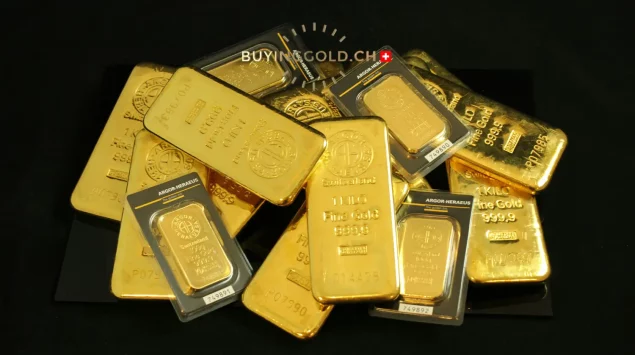
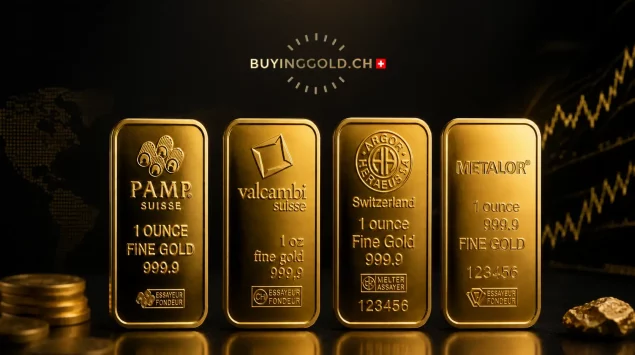
Interestingly , some investment coins (ingots, bullion-type coins) are in 24K because they are not intended to be worn.
Comparison of the main gold stocks
24K gold (999‰)
- Maximum purity
- Ideal for investment
- Simple resale on the international market
the global standard for investment
18K gold (750‰)
- Very common in Europe
- Good balance of strength and value
- Highly sought after in jewelry
an excellent compromise between durability and value
14K gold (585‰)
- More resistant
- Cheaper to buy
- Less valuable at resale
a larger discount upon resale
9K gold (375‰)
- Low gold content
- Very sturdy
- Not very interesting for investment
often considered a “jewelry” product, not a financial asset
Impact of the stock on the price of gold
The price depends directly on the amount of pure gold contained.
Simple example :
- 10g of 18K gold ≠ 10g of pure gold
- Only 7.5g of real gold in 18K
The actual price depends on the weight of pure gold, not the total weight.
Tip : always ask for the price “per gram fine” to compare effectively.
Resale: Why not all securities are created equal
Several factors come into play when reselling:
- Purity
- Market demand
- Ease of redesign
The higher the stock price, the smoother the resale.
24K and 18K gold are the most liquid.
The 9K can be difficult to resell at a good price.
Common pitfalls when buying gold
1. Confusing total weight with pure gold
Many buyers think they are buying 100% gold.
Misreading the title distorts the perception of the price
2. Ignoring the discount on resale
Some jewelry loses a large part of its value.
the profit margin disappears upon resale
3. Buying to “invest” without checking the stock
Not all jewelry is an investment.
a piece of jewelry ≠ an investment asset
Which gold title should you choose based on your objective?
To invest
- Prefer 24K (ingots, coins)
- Maximum liquidity
objective: to preserve value over time
For everyday wear
- Choose 18K or 14K
- Increased resistance
balance between aesthetics and durability
For a limited budget
- 9K or 14K
- Cheaper but less profitable
compromise between price and real value
Interesting facts about gold securities
- In Europe, 18K dominates
- In the United States, 14K is more common
- In Asia, 24K is highly sought after.
Cultural preferences influence liquidity
A handy mini-guide to smart shopping
✔️ Check the hallmark
✔️ Calculate the weight of pure gold
✔️ Compare the price per gram
✔️ Anticipate resale
think about the exit even before the purchase
Choosing the right stock means controlling your investment
The choice of gold standard directly influences:
- The real value
- Product resistance
- Ease of resale
By understanding the differences between 24K, 18K, 14K and 9K, we transform an emotional purchase into a smart financial decision .
FAQ
The gold fineness indicates the proportion of pure gold in an alloy. For example, 24K corresponds to 999‰ (pure gold), whilst 18K corresponds to 750‰ (75% pure gold).
24-carat gold is very soft and scratches easily. This is why it is preferred for investment purposes (bullion) but rarely used for jewellery worn on a daily basis.
18-carat gold (750‰) is regarded as an excellent compromise in Europe. It is highly sought-after in jewellery and retains a high resale value compared to 14-carat or 9-carat gold.
The actual price depends solely on the weight of pure gold. In a 10g piece of 18-carat jewellery, there is only 7.5g of fine gold. You must always multiply the total weight by the fineness (e.g. 0.750) to obtain the base value.