Global economic crises have a strange way of awakening an old human reflex: turning to gold the moment everything else seems to falter. This yellow metal, which is practically useless in daily life, suddenly becomes the center of everyone’s attention. Curious, isn’t it?
A Safe Haven in the Storm
When stock markets crash, currencies fluctuate, and inflation eats away at savings, gold reclaims its historic role as a safe haven. Not because it pays dividends – it doesn’t pay any – but because it does not depend on any central bank, any government, or any political promise. It passes through crises without belonging to them.
In 2008, during the global financial crisis, the price of an ounce of gold soared spectacularly even as stock market indices plummeted. A paradox on the surface, but in reality, a well-established logic: fear drives people toward tangible matter.
The Psychology Behind the Rush
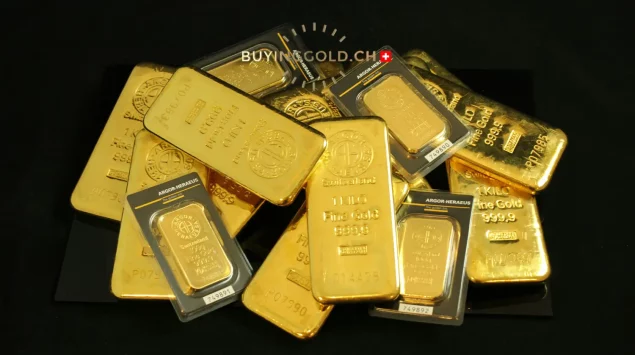
Buying a bar is not just a financial calculation – it is also, quite often, an emotional reaction. Holding a heavy, dense, indestructible object in your hands reassures you in a way that numbers on a screen never can. It is a bit like closing the shutters before a storm.
Analysts at the World Gold Council note, moreover, that the investment demand for physical gold increases almost systematically during periods of geopolitical or monetary uncertainty, far more than during phases of stable growth. The crowd does not rush toward gold out of enthusiasm, but out of caution.
Contrasting Effects Depending on the Profiles
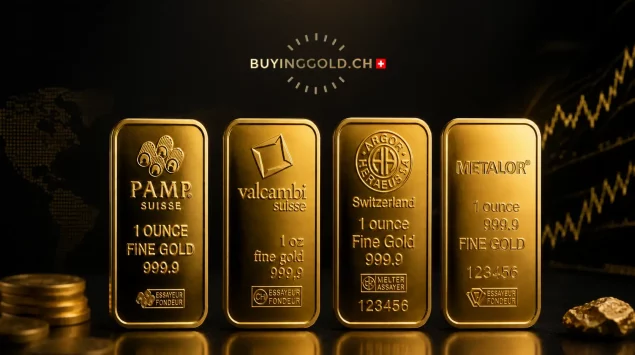
Not everyone reacts the same way to a crisis. Institutional investors adjust their portfolios methodically, often via futures contracts or gold-backed ETFs. Retail investors, on the other hand, usually prefer the physical bar – something you can see, touch, and hide in a safe.
This difference sometimes creates tension in the market: an explosion in retail demand can drive up premiums on small bars, even when the spot price of gold remains steady. This was clearly observed in 2020 at the beginning of the pandemic, when some Swiss dealers struggled to deliver orders because stocks were melting away much faster than expected.
The Takeaway for Savvy Buyers
Crises pass, but they leave behind habits. Many of those who bought their first bar in the midst of economic turmoil continue, years later, to integrate gold into their wealth strategy – no longer out of panic, but out of discipline. The lesson learned is simple: it is better to prepare your boat before the sea gets rough.
Gold does not make anyone rich overnight. But when everything else shakes, it offers a form of stability that reassures just as much as it protects.